
Blog
Boiler Broken? Quick DIY checks and when to call a Gas Safe engineer
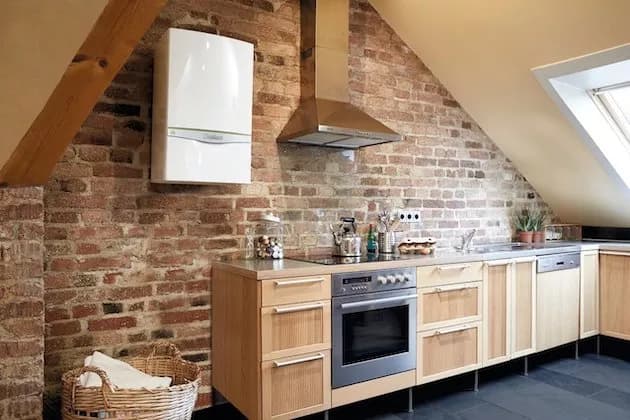
Boiler broken? What to do first and how to carry out safe checks
Discovering your boiler is broken is stressful — especially in the cold months. This short guide explains the practical checks you can safely do yourself, which faults are straightforward to fix, and when to call a Gas Safe registered engineer. Use the checklist below to rule out the simple causes before arranging professional help.
Before you begin: safety first
If you smell gas or suspect a leak, do not try to fix it yourself. Our heating professionals strongly advise against removing or modifying your boiler yourself — for all gas work, only a Gas Safe registered engineer should carry out repairs and inspections.
Broken boiler checklist
- Fuse box — Fuse boxes supply electricity throughout your home, and when one trips it causes appliances like your boiler to stop working. The chances of this happening after a power loss are even higher because it resets the timer. You can simply flick the switch back on and hopefully it will turn your boiler back on.
- Meter — Many people have prepaid meters, and there could be a possibility of running out of credit, which cuts off your electricity supply and stops your boiler working. Before you contact a heating engineer, make sure to take a look at the meter.
- Frozen pipes — Frozen pipes are very common, especially during the winter. The weather damages the piping system and frozen condensation can create a blockage. As a result, this causes the boiler to overflow and shut down. You can thaw frozen pipes, but it is better to get a qualified heating engineer to do this.
- Fault codes — Your boiler could be showing a fault code that can help determine the sort of issue it is experiencing. What the fault code means can be found in your boiler handbook, or you can search for it online along with your boiler model. You will find guidelines that help you understand the most common boiler codes and what you can do to fix them.
- Boiler pressure — If the boiler pressure is too low, it will struggle to ignite and turn your boiler on. You can find out the pressure by looking at the pressure gauge or the display screen on your boiler. The ideal boiler pressure should be between 1 and 2 bars, and anything lower than 1 is considered low. Similar to fault codes, you can find how to repressurise your boiler by taking a look at your manual or online.
- Pilot light — A pilot light turning off may happen for a number of reasons. To begin, follow the instructions in your boiler manual to ignite the pilot light yourself. Please call a Gas Safe registered engineer if you are unable to relight the pilot light.
- Gas valve — The boiler will not ignite if there is anything blocking the gas flow. Check your other gas appliances to make sure they are still operating, and make sure the Emergency Control Valve (located adjacent to the gas meter) isn’t switched off. We suggest having your gas supply inspected by a Gas Safe registered engineer.
Here at Pipeline Plumbing Services Ltd, we are Gas Safe registered, so if you are looking for professional boiler repair and installation services, make sure to get in touch with us today.
Time for a new boiler?
If your boiler continues breaking down, it may be a great time to start considering getting it replaced with a brand new one, as it can save you lots in the long run.
Get in touch
We offer boiler installation services throughout Pulborough, Storrington and Billingshurst. Call us on 01903 740538 or 07871 725133 and we will be happy to guide you through the entire process from start to finish. You can also reach us via our contact page. Our services have been rated very highly — you can read through the reviews our customers have left for us by visiting our reviews page.
Other Articles


